What is lungworm?
As the name suggests, lungworms affect the lungs. Hedgehogs can encounter infection through eating hosts such as slugs and snails.
Signs that need attention
During assessment and monitoring, the rescue may see coughing, breathing difficulties, nasal discharge, weight loss or diarrhoea. These signs can also have other causes.
A hedgehog struggling to breathe needs urgent rescue or veterinary advice. Please don’t wait to see whether it improves.
Testing in rescue
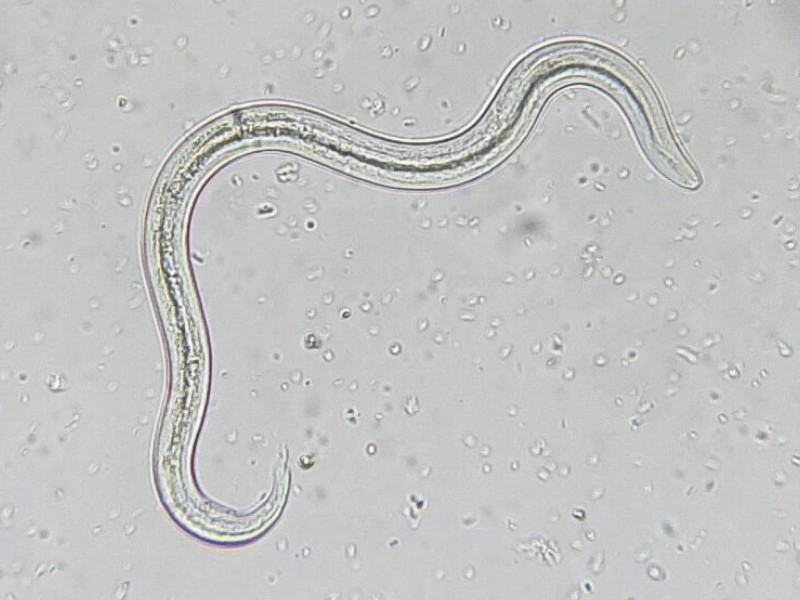
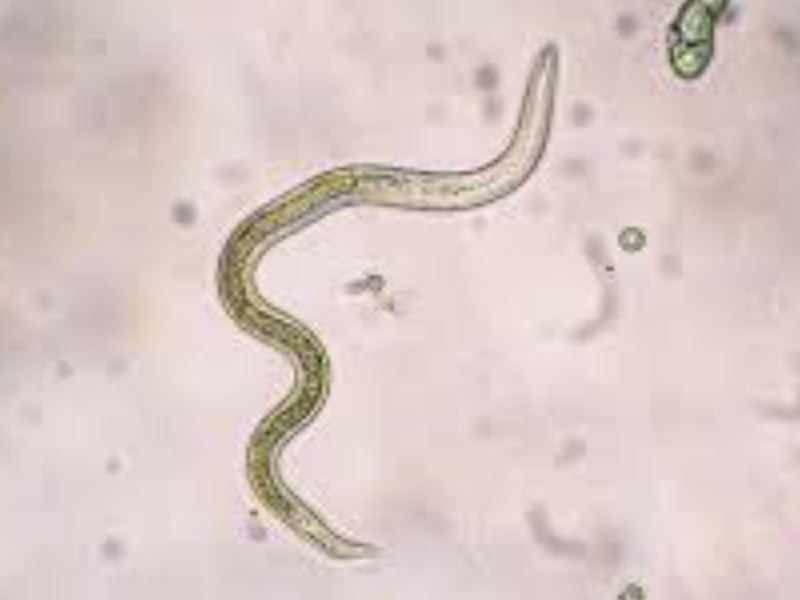
Faecal samples are examined under a microscope to look for evidence of parasites. The lungworm seen in these samples are larvae, rather than adult female worms.
Infection may not be detected immediately, so repeat testing and ongoing observation can be necessary.
Treatment and recovery
Care should be directed by an experienced rescue or vet, with follow-up samples used to monitor the response. Please don’t give a hedgehog dog or cat worming medication.
Keeping feeding areas clean
Clean food dishes and feeding areas regularly. Contact the rescue if you would like advice about suitable supplementary feeding.
This is awareness information, not a diagnosis or treatment plan. For a hedgehog in breathing distress, contact a rescue or wildlife-experienced vet promptly.
All common issues